

What is HALT?
Perhaps you may have heard of the term H.A.L.T., which stands for Hungry – Angry – Lonely – Tired. HALT was a concept that was introduced by professionals who treated addiction to help people become more aware of their emotional state as well as to be aware of how these emotions negatively affect decision-making.
Although HALT was first used with addiction, this principle can really assist anyone who wants to increase their emotional awareness. That said, I think an expansion of the current HALT idea is warranted. Throughout my clinical work, there seem to be emotional trends of anxiety and thirst affecting people in their decision making, in addition to the original four. When expanded to include these, HAALTT is a better way to help people stop and think about where they are emotionally.
Hungry
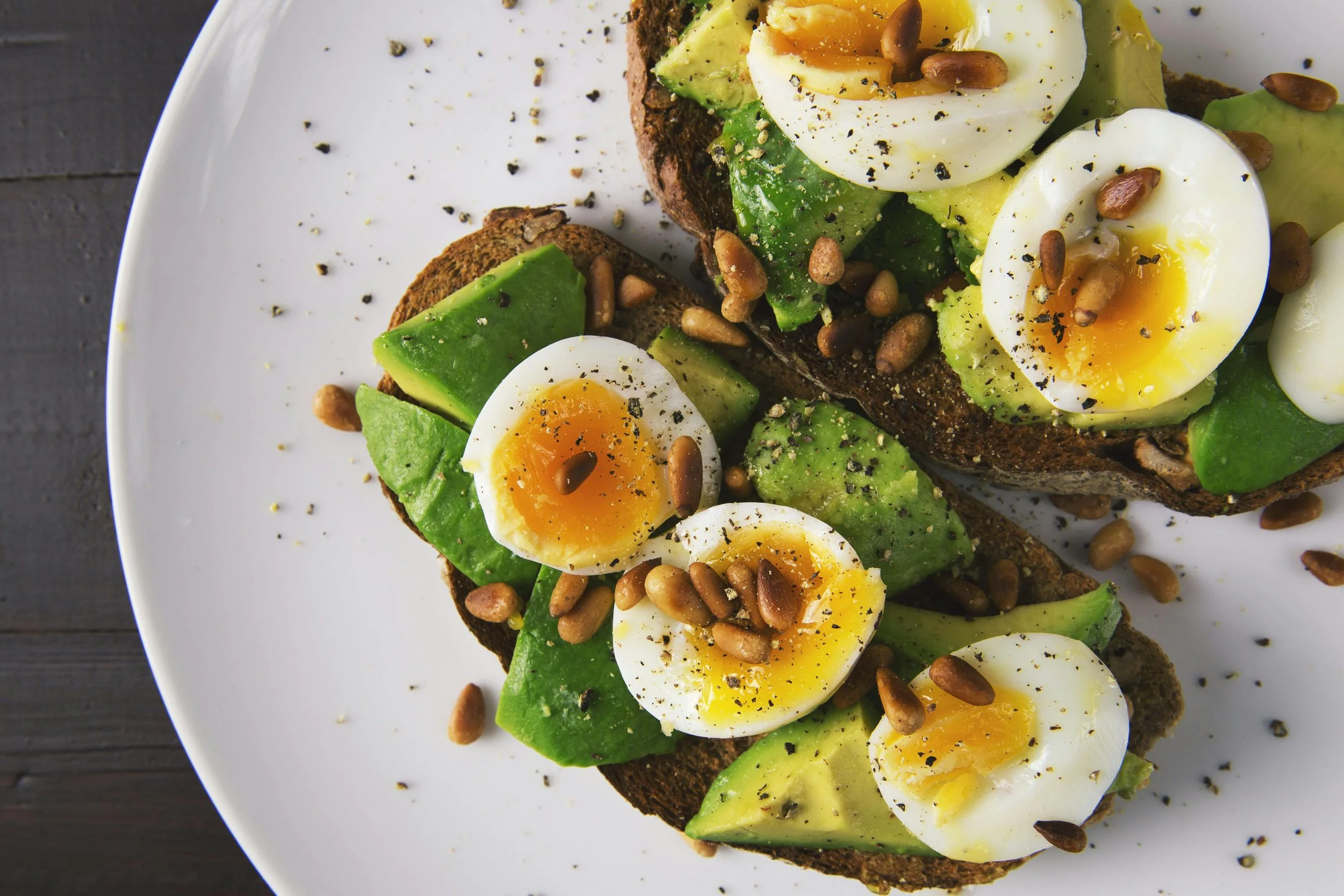
Eating meals with carbs, fats, and protein can assist in keeping you satisfied longer.
You may have heard the cautionary advice of “Don’t go to the store hungry.” If you have had experience with this, you’ll know that you will often end up with more things in your shopping cart than was initially on your list. In a research study done by Dr. MacAskill and his team in 2023, they found a link between hunger hormones affecting decision-making in the brains of mice. Although this study was done with mice, it raises interesting questions about the parallels for humans.
What to do?
When you find yourself feeling hungry, grab some protein, such as nuts or peanut butter and apples to give both your brain and body some nourishment. You may even save a dollar or two if a shopping trip is in your future! You can also keep snacks by transition areas, such as a designated drawer in the kitchen, if you have young kids at home, or a spot in your car, so you have easy access to meet your needs.
Angry

Anger is one feeling that is commonly misunderstood.
Whether you believe anger is a primary emotion (an emotion that is a reaction to an action or situation) or a secondary emotion (an emotion that exists to cover or protect another emotion, such as anger covering hurt), when you feel anger, your body is sending you a signal that something has occurred and you feel wronged or that a situation has wronged you.
What to do?
When anger shows up, take a pause. Check and see if you’re hungry (cue the “hangry” experience), then see above. If you’re not hungry, take a break from the situation. Giving in to anger and saying what you’re really thinking about the situation, can likely cause more regret than relief. Go somewhere or do something that replenishes your mood and feelings. You may need more time than you think. HAALTT. Give yourself permission to take the pause and then respond appropriately.

Stresses can come from anywhere. When they begin to pile up, anxiety can set in.
Anxious
Everyone’s body has a built-in, ready-to-go stress response system, allowing you to be aware of dangers to yourself or dangers in your environment and then take steps to protect yourself. In some cases, however, anxiety can be an overreaction of this response system. Anxiety can also come from childhood abuse or neglect, loss, feeling abandoned, feeling rejected, or maturing too quickly (i.e., having to be the missing parent or care for younger siblings).
What to do?
When you’re feeling anxious, consider the direction that your thoughts are coming from. Are they past focused? Future focused? Chances are that these thoughts are either one. Check the story you are telling yourself and ask, “What are the facts and what can I discard?”
Lonely

Isolation is a common way that people experience loneliness; isolation is also a symptom of depression.
It’s back to the research rodents with this one. You may’ve heard of the “rat park” study, where scientists were interested in whether rats would use drugs if they had unfettered access to them. These scientists tested their hypothesis by putting rats in a cage, with a number of stimulating things that rats enjoy: sex, drugs, other rats, and interesting toys. However, the scientists found that contrary to their expectations, the rats chose to interact with each other more than use the drugs. This would suggest that social interaction, at least for rats, is an excellent way to mitigate drug use. Now, I’m not suggesting that humans are rats; however, this finding provides an interesting insight into the power of connection. You are built for connection and can greatly benefit from it, such as not making rash decisions in the moment, such as when you’re feeling lonely.
What to do?
What if you’re reading this and feeling lonely? Grab your phone and go to your “favorites” tab and choose someone from that list to call. Don’t have a phone? Go find another human to talk to, even if it is just saying “hi.” Stay away from screens and social media, as this doesn’t provide the same level of connection as face-to-face, or phone call interactions do.
Thirsty

Having a water bottle regularly available can assist in addressing thirst
Just like hunger, thirst can affect not only your mood but also decision-making.
What to do?
Grab a water bottle and bring it with you – on car rides, to the office, or around your home. Not only will it be a reminder to hydrate yourself, but you will also likely reduce the chances of deciding out of thirst.

Being tired is a common occurrence for many adults and is, therefore, a common impact factor for decision making while tired
Tired
Being tired is a common occurrence for many adults and is, therefore, a common impact factor for decision making while tired. The adage of “sleep on it,” has new meaning when applied to this context. In addition, the act of making decisions can tire out your brain—also known as “decision fatigue.” When your brain is fatigued, you’re less likely to be able to think things through (i.e., poor decision making), but also have trouble communicating as well as managing emotions such as anger or annoyance.
What to do?
Make sleep a priority. Establish a healthy bedtime routine and be intentional about keeping your phone out of sight as you are preparing to go to sleep. There is some research that suggests blue light is linked to reduced natural melatonin – the natural stuff that makes it possible for you to fall asleep. If you can, set aside 25 minutes for a nap during the day, whether at work or at home. This amount of time allows you to rest, but not go into deep sleep—where you would be even more tired upon waking up than you were going to sleep.

Taking a pause and checking where you are emotionally, physically, and mentally are all steps in utilizing HAALTT.
The next time you have a decision to make, HAALTT, do a self-check in, and see if there is an emotional or physical need that needs to be addressed before making that decision. Chances are that doing so will yield better results.
Local Provo Therapist
Having trouble with HAALTT? Give me, your local Provo therapist, a call. As a Utah therapist, I specialize in working in both anxiety therapy and trauma therapy. (Trauma can often be a source of where anxiety is coming from). Let’s talk about your situation and how you can find relief!