
How EMDR with Hand Buzzers Works and EMDR Therapy Salt Lake City
When people first hear about Eye Movement Desensitization and Reprocessing (EMDR) therapy, they often picture a therapist waving a finger back and forth. While that’s one method, technology has advanced, making the process more adaptable and comfortable for clients. One of the most common and effective tools used today is the set of small, vibrating devices known as EMDR hand buzzers, or tappers.
If you are located in Utah, specifically searching for professional help, finding qualified EMDR therapy in Salt Lake City (SLC) is a crucial step toward healing past trauma, anxiety, and distress.
This post will demystify the use of EMDR hand buzzers, explain the common, expected phenomenon of why EMDR makes you tired, and guide you on finding specialized practitioners in the Salt Lake area.
EMDR with Hand Buzzers (Tappers)
EMDR therapy relies on Bilateral Stimulation (BLS)—a rhythmic, alternating stimulus applied to both sides of the body. The original method used eye movements, but research shows that alternating tactile (tapping/vibrating) or auditory stimulation is equally effective.
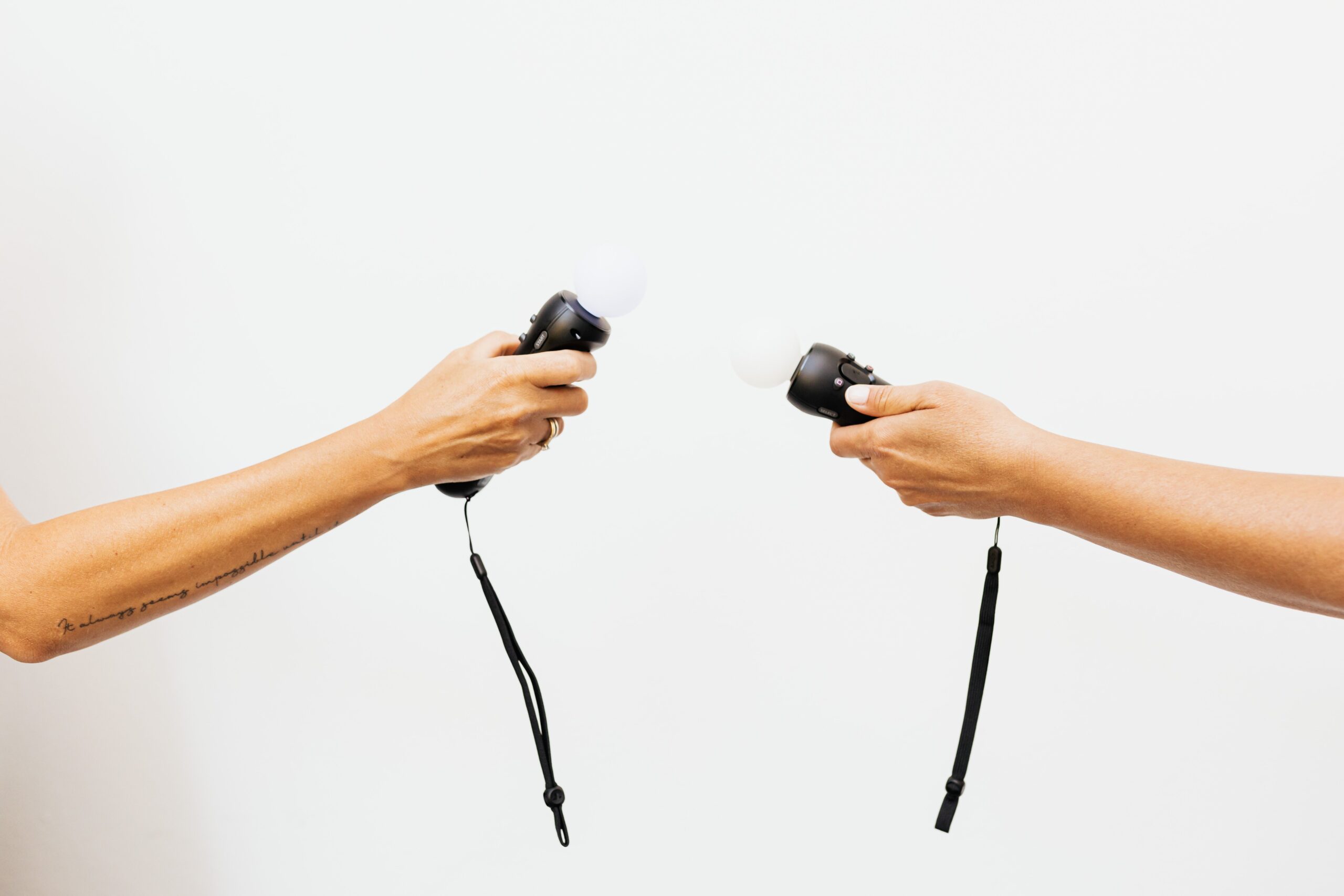
EMDR hand buzzers (also called tappers, or pulsars) are small, often cylindrical or rectangular electronic devices. The client holds one buzzer in each hand, or sometimes places them under their thighs.
- Rhythmic Vibration: The therapist controls the buzzers remotely, setting a specific pace and intensity. The devices vibrate in an alternating pattern—left, right, left, right—providing the consistent, rhythmic stimulation necessary for the reprocessing phase of EMDR.
- Comfort and Control: Tappers offer several advantages over traditional eye movements:
- Focus: Clients don’t have to focus their eyes on external movements, which allows them to keep their eyes closed and better concentrate on the internal memory and sensations.
- Versatility: They are easily used in in-person sessions and are the primary method for delivering BLS during EMDR online or telehealth sessions.
- Less Distracting: For some trauma survivors, the close proximity or direct eye-contact required for visual tracking can be triggering; buzzers provide a less intrusive method.
The tappers help activate the brain’s natural information-processing system. This process is thought to mimic the natural processing that occurs during REM (Rapid Eye Movement) sleep, helping to move traumatic memories from the emotionally reactive part of the brain (the limbic system) to the narrative and logical part (the cortex). This shift reduces the emotional distress attached to the memory.
The Fatigue Factor: Why EMDR Makes You Tired
It is extremely common for clients to feel intensely fatigued, sleepy, or “drained” after an EMDR reprocessing session. This is not a sign that something went wrong; it is a normal and expected physiological response to deep psychological work.
Thinking of EMDR as a strenuous mental workout helps explain the fatigue:
- Intense Emotional Work: During reprocessing, the client is actively engaging with distressing, unresolved memories. While the goal is to reduce the distress, the initial process involves bringing these feelings and sensations to the surface. This deep emotional engagement is mentally and psychologically taxing.
- Cognitive Load: The brain is working overtime to move and re-file a complex, unprocessed memory. The neurological process of taking a memory that was stored without being processed (commonly with intense emotion, negative cognitions, and physical sensations) and reorganizing it into a coherent, less distressing narrative requires massive amounts of mental energy.
- Nervous System Regulation: Trauma leaves the nervous system in a state of chronic hyperarousal (fight/flight) or hypo arousal (freeze/numbness). EMDR is a deep exercise in nervous system regulation. When the processing is complete, the body often shifts from high alert into a state of deep calm and exhaustion as it fully relaxes.
Post-Session Self-Care is Crucial
If EMDR makes you tired, it’s a sign your brain is doing what it needs to do. Therapists often recommend the following after a reprocessing session:
- Schedule Rest: Do not plan demanding activities immediately afterward. Treat it like recovering from a medical procedure.
- Hydrate: Drink plenty of water, as the body can react to stress and emotional release.
- Limit Screen Time: Avoid taking on new external mental stimulus, allowing the brain to continue its work organically.
- Be Gentle: Avoid making major life decisions or engaging in conflict. Be kind to yourself and allow the process to unfold

EMDR Therapy Salt Lake
Salt Lake City is a growing hub for mental health services, and many highly trained specialists offer EMDR, particularly for those dealing with complex trauma, depression, anxiety, and attachment issues.
When looking for EMDR therapy Salt Lake or in surrounding areas like Sandy, Provo, or Ogden, use a targeted approach to ensure you find a certified, high-quality provider:
| Search Criterion | Actionable Steps for SLC/Utah |
| Accreditation | Use the EMDR International Association (EMDRIA) website’s “Find a Therapist” search function, filtering by zip codes (e.g., 84101, 84047) or cities within the Salt Lake Valley. |
| Specialization | Look for therapists whose profiles specifically mention treating your issue (e.g., childhood trauma, social media depression, complex PTSD, or anxiety). |
| Bilateral Method | If you prefer EMDR with hand buzzers (tappers) or need EMDR online, confirm with the therapist that they use these technologies. Many SLC therapists offer hybrid in-person and online services. |
| Insurance/Cost | Confirm they are in-network with local insurance providers (e.g., SelectHealth, DMBA, EMI, Aetna, Regence BlueCross BlueShield of Utah, etc.) or discuss their self-pay rates. |
Finding a certified EMDR therapy Salt Lake provider offers the benefit of consistent, in-person support during a deeply vulnerable process. While online sessions are effective, the physical presence of a therapist can be grounding, especially during the emotional intensity of trauma reprocessing.
Starting the journey with EMDR is an investment in your well-being. By understanding how tools like hand buzzers facilitate healing and accepting that the work may feel exhausting, you are preparing yourself for profound, lasting emotional change. The goal is to move from being overwhelmed by the past to being fully present and empowered in the now.