Social media perfectionism anxiety
Social media fame appears to be a dream come true for many aspiring influencers. With unprecedented accessibility to digital platforms, thousands of women build substantial online followings each year, gaining what seems like endless opportunity and privilege.
However, beneath the glamorous façade lies a troubling reality: the mental health of social media influencers is frequently compromised in pursuit of maintaining their digital personas. Understanding the psychological toll of online fame is crucial as this industry continues to expand.
Social media influencers often project flawless lives to their audiences. What remains invisible is the severe psychological cost of maintaining these carefully curated images (i.e., anxiety and depression). The pressure to sustain an illusion of perfection creates a relentless cycle that deteriorates mental well-being over time.
To achieve and maintain success, most influencers meticulously craft every post and interaction, showcasing constant achievement, impeccable appearance, and an enviable lifestyle. Once they establish this image, the pressure to maintain it becomes overwhelming, often sacrificing personal peace and authentic self-expression.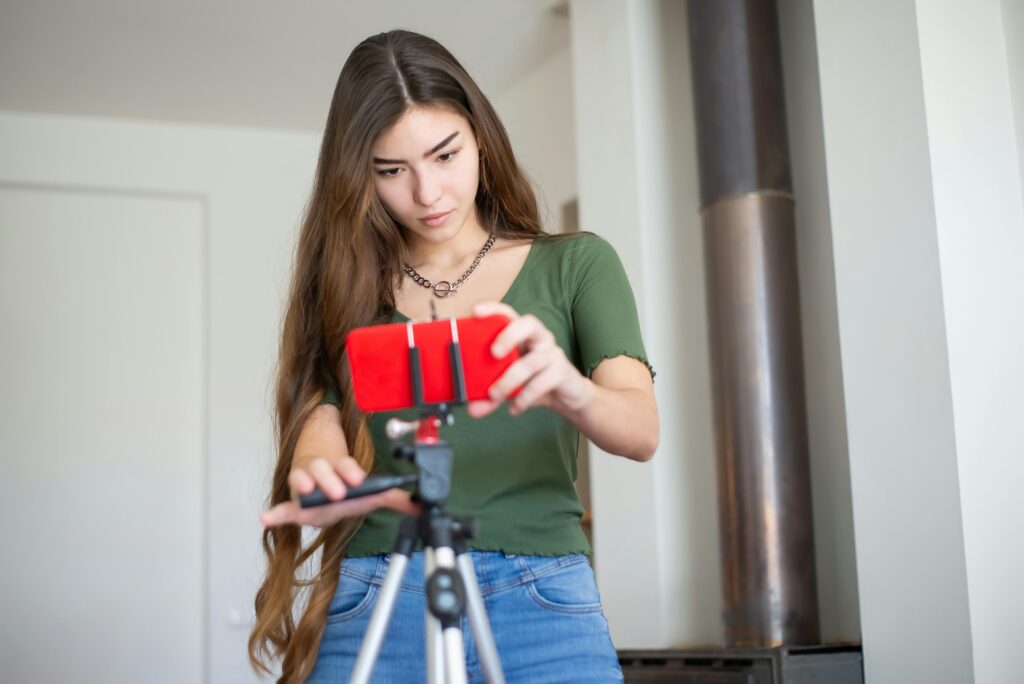
Real-world example: Consider a beauty influencer who gains 500,000 followers by posting daily makeup tutorials with flawless application. She now feels compelled to wake up at 5 AM every day to do full makeup before filming, even when exhausted or ill. When she posts a more casual look one day, negative comments flood in asking “what happened to you?” This criticism reinforces her anxiety that any deviation from perfection will cause her to lose relevance and income.
This unrelenting pressure inevitably manifests as anxiety—one of the most prevalent mental health challenges among influencers. Depression frequently follows, accompanied by body image distortion and eating disorders. Regardless of their success metrics, women influencers face disproportionate judgment and scrutiny about their appearance, relationships, and life choices.
Real-world example: A fitness influencer with a lean physique gains popularity, but after pregnancy, she faces cruel comments calling her “lazy” and “letting herself go” despite posting within weeks of giving birth. The constant comparison to her pre-pregnancy body triggers postpartum depression and an unhealthy obsession with rapid weight loss that compromises her recovery.
Addressing these issues proactively is essential. Seeking professional support—such as therapy specializing in anxiety management or cognitive behavioral therapy—can provide crucial coping mechanisms before symptoms become debilitating.
Influencer anxiety symptoms
Influencers showcase aspirational lifestyles: designer homes, luxury vehicles, premium beauty products, and exclusive experiences. While these images drive engagement, they represent carefully edited highlights that obscure the financial stress, relationship struggles, and mental exhaustion that exist behind the scenes.
This curated perfection creates a toxic feedback loop of social comparison. Influencers don’t just promote comparison among their followers—they experience it themselves, constantly measuring their success against competitors. The phenomenon of FOMO (Fear Of Missing Out) becomes an occupational hazard, driving influencers to attend events they can’t afford, purchase products beyond their means, and maintain an exhausting social calendar to stay relevant.
Real-world example: A lifestyle influencer sees a competitor post from a luxury Maldives resort with 50,000 likes. Despite having just returned from a vacation, she feels inadequate and pressures her partner to take another expensive trip they can’t afford. She books it on credit cards, creates content during what should be relaxation time, and returns home financially stressed—all to maintain the illusion of constant luxury that her audience expects.
Over time, this chronic comparison erodes self-esteem and triggers the mental health issues mentioned earlier. Research confirms that individuals who derive their self-worth primarily from external validation experience significantly higher rates of anxiety and depression. For influencers whose income depends on audience approval, this dependency becomes particularly dangerous.
Despite appearing hyper-connected—attending events, collaborating with brands, and interacting with thousands of followers daily—many influencers experience deep loneliness. The paradox lies in the nature of digital relationships: they offer breadth without depth.
When an influencer’s entire social world exists online, the capacity for authentic, vulnerable human connection atrophies. Interactions become transactional—content for engagement, personality for profit. Meaningful friendships suffer because potential friends may have ulterior motives, and existing relationships strain under the pressure of constant evaluation.
Real-world example: A travel influencer realizes during a family emergency that she has no close friends to call for support. Her thousands of “friends” online send generic well-wishes, but when she needs someone to talk to at 2 AM, she sits alone. Her relationships have become so performance-based that she’s forgotten how to be vulnerable. Her college friends drifted away after she constantly filmed their gatherings instead of being present, and new friendships feel hollow because people want access to her platform rather than genuine connection.
This isolation intensifies as influencers realize their online community consists of strangers who engage with a persona, not the authentic person. The absence of genuine human connection creates emotional emptiness that no amount of likes, comments, or followers can fill.
Relentless Criticism and Psychological Vulnerability
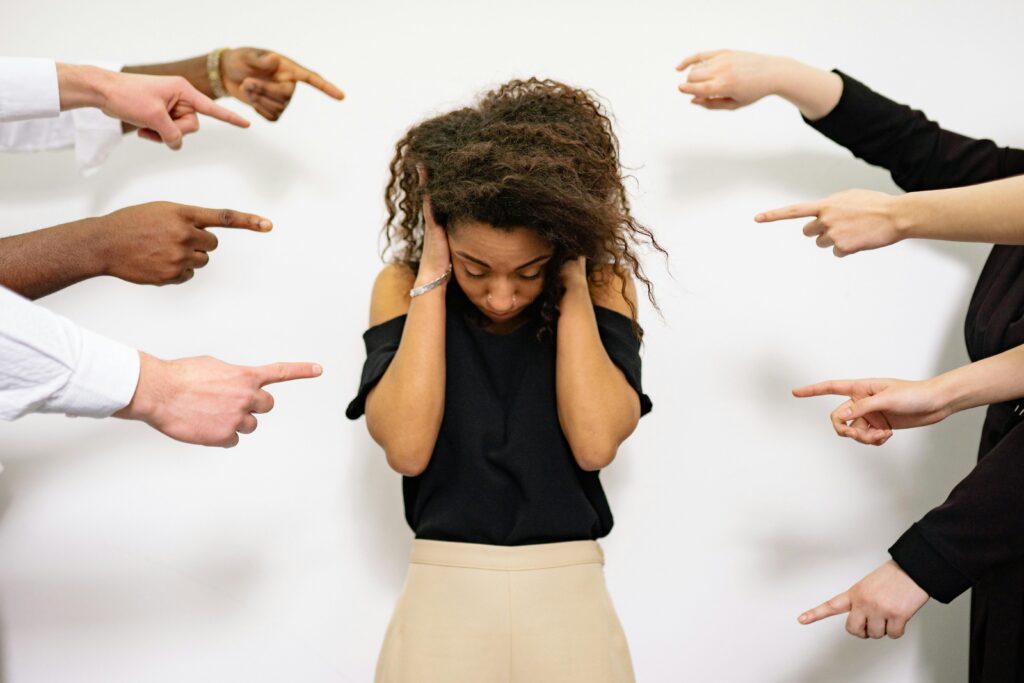
Regardless of how carefully influencers curate their content, negative commentary is inevitable, often showing up as relentless criticism and feelings of vulnerability. Public visibility invites judgment, and the anonymity of the internet emboldens particularly vicious criticism. Even minor controversies or simple personal choices can trigger waves of hostility.
The psychological impact of this constant scrutiny is profound. Research shows that even a single negative comment among hundreds of positive ones can disproportionately affect mental health, triggering rumination and self-doubt. For influencers, who may receive dozens or hundreds of negative comments daily, the cumulative effect is devastating.
Real-world example: A fashion influencer posts about her wedding dress choice. Among 10,000 positive comments, 50 people criticize her for not choosing sustainable fashion. Despite the overwhelming positivity, she spends hours reading and re-reading the critical comments, loses sleep, feels guilt about her choice, and eventually posts a tearful apology video. The criticism consumes her mental space entirely, and she begins second-guessing every decision, wondering what will be attacked next. She develops anticipatory anxiety before posting anything, sometimes scrapping content entirely because she can’t handle potential backlash.
This creates a hostile psychological environment where influencers feel perpetually under attack, leading to hypervigilance, chronic stress, and in severe cases, trauma symptoms similar to those experienced by public figures facing sustained harassment.
Authenticity initially helps many influencers build their audiences. However, as their platforms grow, the pressure to maintain a marketable image often requires suppressing authentic thoughts, feelings, and behaviors. Influencers begin performing a version of themselves—editing not just photos but personalities.
This performance creates a dangerous psychological split. The line between public persona and private self blurs, and many influencers report no longer recognizing themselves. They’ve inhabited a role for so long that their authentic identity becomes inaccessible.
Real-world example: A “happy wife and mom” influencer with 2 million followers is actually in a failing marriage. She continues posting romantic date photos and loving captions because her brand depends on #relationshipgoals content. She fears that admitting her struggles would disappoint followers and cost her sponsorship deals. After two years of performing happiness while miserable, she doesn’t know what her real feelings are anymore. When she finally seeks therapy, she describes feeling like an actress who can’t leave character, even in private moments with her spouse.
This identity crisis can be severely destabilizing, sometimes requiring intensive psychotherapy to help influencers rediscover their authentic selves beneath the constructed persona. In extreme cases, influencers describe feeling like they’re mourning the loss of who they were before fame.
Maintaining relevance on social media requires constant content creation, trend participation, and audience engagement. There are no boundaries between work and personal life—every moment is potentially content, every experience measured by its shareability. This “always on” existence is psychologically exhausting, and can contribute to feelings of burnout or unexpected self-expectations.
Real-world example: A food influencer is at her grandmother’s funeral when she instinctively reaches for her phone to photograph the memorial flowers for content. She catches herself and feels horrified, realizing she’s lost the ability to experience life without performing it. Later that week, despite being ill with the flu, she forces herself to film recipe content because her posting schedule dictates it, and missing even one day causes noticeable drops in engagement that affect her algorithm performance and income.
Influencers must remain current with rapidly shifting trends, even when those trends contradict their values or interests. They sacrifice privacy as boundaries between public and personal life dissolve. Followers feel entitled to information about relationships, family, health, and finances. This invasion creates chronic stress and eventually leads to burnout—a state of emotional, physical, and mental exhaustion.
The factors that most significantly compromise influencer mental health include:
Unrealistic standards: The demand for constant perfection prevents authentic self-expression and creates unsustainable pressure.
External validation dependency: When self-worth becomes tied exclusively to metrics—likes, comments, follower counts—influencers lose internal motivation and become psychologically fragile.
Privacy erosion: The inability to maintain boundaries between public and private life creates distress and the oppressive feeling of permanent surveillance, similar to living in a panopticon where behavior is constantly monitored and judged.
Online Therapy Austin TX
Social media influencing represents a relatively new career path that offers unprecedented opportunities for income and impact. However, the psychological costs are substantial and increasingly documented. While empirical research on influencer mental health remains limited, the patterns mirror those observed in traditional celebrity culture for decades—with one crucial difference: the barrier to entry is lower, meaning more people are exposed to these risks at younger ages and with fewer support systems.
The evidence suggests these mental health challenges disproportionately affect women, who face greater appearance-based scrutiny, sexualized harassment, and societal pressure to maintain likability while navigating public platforms. As this industry matures, addressing these mental health challenges through preventive education, accessible therapeutic resources, and platform-level reforms must become a priority. The cost of ignoring this crisis is measured not in engagement metrics, but in human suffering.

If You’re Struggling: Seek Professional Support
If you recognize these symptoms in your own life as an influencer or content creator, know that you don’t have to navigate these challenges alone. The anxiety, depression, identity confusion, and burnout you’re experiencing are legitimate mental health concerns that deserve professional attention—not weaknesses to hide from your audience.
Taking action now can prevent symptoms from worsening:
- Reach out to a licensed therapist who specializes in anxiety, depression, or identity issues. Many therapists now have experience working with content creators and understand the unique pressures of online visibility.
- Consider therapists familiar with performance-related stress, as they can help you navigate the psychological demands of maintaining a public persona while reconnecting with your authentic self.
- Don’t wait until you’re in crisis. Early intervention is significantly more effective than addressing symptoms after they’ve become severe or debilitating.
- Teletherapy options offer privacy and flexibility for those concerned about being recognized or fitting sessions into demanding content schedules.
Your mental health is not content. It’s not something to sacrifice for engagement metrics or brand deals. Seeking therapy is an investment in yourself—the person behind the persona—and it may ultimately save not just your career, but your life. You are more than your follower count, and you deserve support, healing, and peace.