
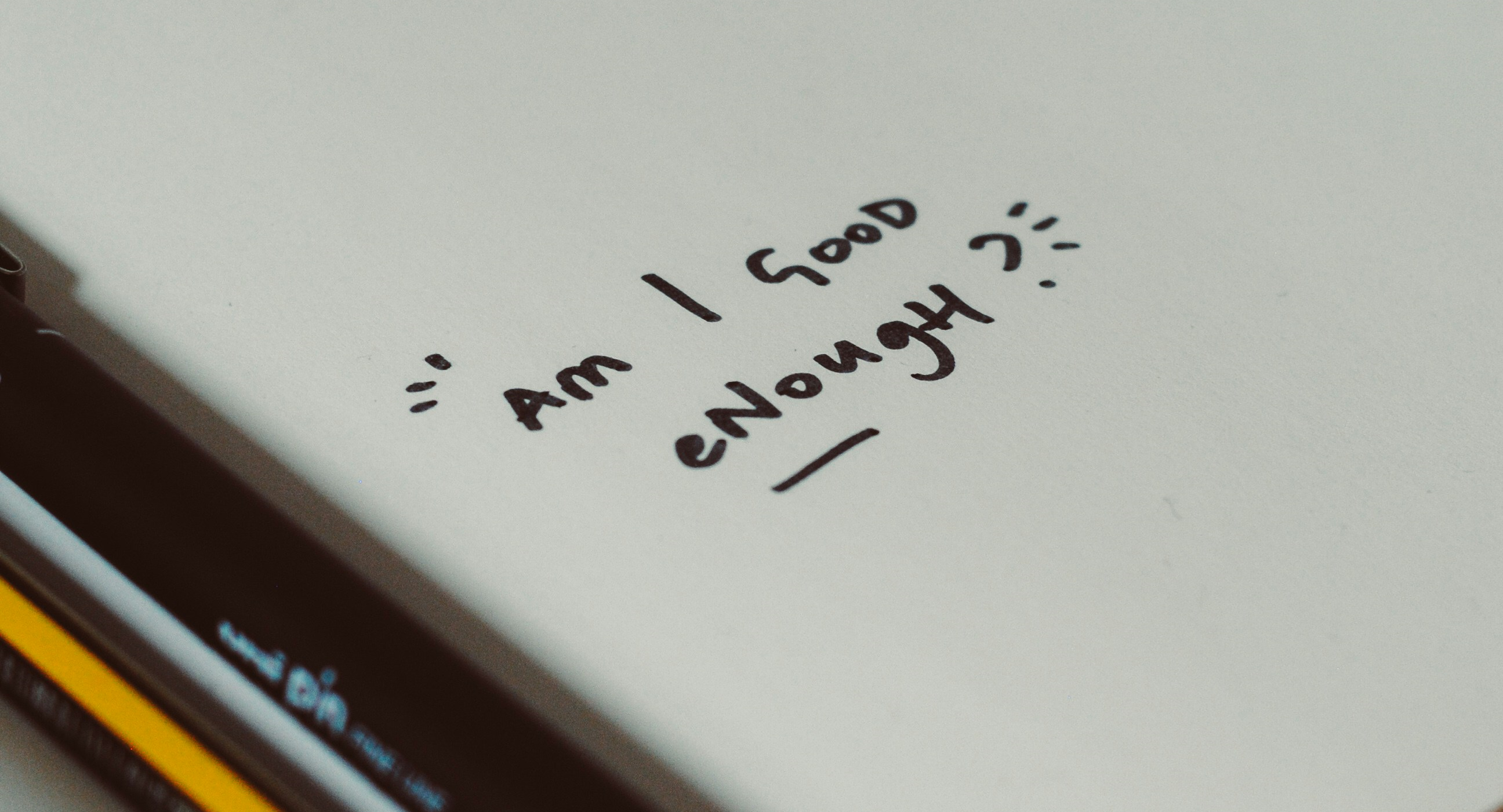
Why do we feel like were not worthy when everything else seems perfect? This is a question many of us wondered over the course of our lives.
You could be at the top of the class, enjoying perfect relationships with friends and family, or doing excellent at your job, but, still, something feels off. Why?
There’s a chance this is because of trauma, mental conditions, or perfectionism. Still, knowing the answer or why this feeling is so persistent doesn’t actually solve it or help you let go of it.
That’s why we’re here to help you understand both the root of the problem and how you could build your self-worth again. Nobody should ever feel this way. So, are you ready to rebuild yourself?
Reasons You Don’t Feel Your Worth
There are many reasons why one would feel like they’re not worthy, including:
1. Imposter Syndrome
This is one of the most popular reasons behind feelings of unworthiness. Imposter syndrome is characterized by the persistent belief that you’re not as competent as others perceive you to be.
Despite your accomplishments, you might feel like a fraud, constantly fearing that someone will “unmask” you.
This internal struggle often leads to doubting your abilities, attributing success to luck rather than skill, and downplaying achievements.
Sadly, up to 82% of adults have struggled with these emotions throughout their lives.
2. Past Trauma
Dealing with life-changing events is never easy. However, once everything settles down again, the emotional scars left behind can linger, often resurfacing unexpectedly.
Most people are thankful that whatever they went through is over and tend to forget its effects on them.
These unresolved feelings, whether recent or from childhood, can contribute to a sense of unworthiness, as past trauma can distort self-perception and make it difficult to move forward with confidence.
3. Possible Mental Health Problems
Do you know how many mental health conditions can leave you feeling unworthy? There’s depression, bipolar disorder, PTSD, and anxiety, just to name a few.
These conditions can distort your self-worth, making it difficult to see your true value.
Depression, for example, often brings a deep sense of hopelessness and self-criticism, convincing you that you’re not good enough.
Anxiety can amplify self-doubt, leaving you constantly questioning past and future decisions and your abilities.
4. Struggling With Perfectionism
When you set high, almost unachievable, goals for yourself, how do you expect yourself to ever feel satisfied?
Perfectionism can create a relentless cycle of striving for an ideal that may not even exist, leaving you perpetually disappointed.
Instead of celebrating accomplishments, you focus on flaws, the “not quite good enough” aspects, and the minor details that could’ve been better.
This constant pressure can erode your self-esteem and make you feel like nothing you do is ever enough.
How to Let Go of Feeling Unworthy — “We re not worthy”
The previous reasons are among the top ones explaining why this sense of unworthiness is clinging to you. To let it go, you need to focus on the following:
1. Empathize With Yourself
Acknowledge that you’re human, with strengths and weaknesses, and that it’s okay to make mistakes.
When you empathize with yourself and your history, you create a space for self-compassion to grow, which is essential for healing and development.
An easy start to this would be to recognize the effort you put into things, no matter the outcome!
2. Pay Attention to Your Triggers
Do you know what makes you feel unworthy? This is a vital question to ask if you want to understand what triggers your feelings of unworthiness and overcome them.
These triggers could be specific situations, people, or even thoughts that cause you to spiral into self-doubt.
Once you know what sets off these negative emotions, you can work on developing strategies to manage them.
3. Understand Your Limits
One small piece of advice to always remember: Your limits today aren’t your limits tomorrow.
It’s important to recognize that your personal growth is a journey, and what feels challenging now may become easier over time.
And no, understanding your limits isn’t about accepting defeat; it’s about acknowledging where you are in the present moment and allowing yourself the grace to grow.
By accepting your current abilities and limits, you free yourself from the pressure of perfection and allow room for growth and self-compression.
Local Therapists for Anxiety
So, are you still asking: Why do I feel like I’m not worthy? It could be that you’re among the 80% or so suffering from imposter syndrome.
There’s also a chance you’re letting past trauma and decisions affect your current worldview.
Finally, you could be suffering from a mental health problem such as depression, anxiety, or PTSD.
Either way, go easy on yourself and be kind. You deserve to see your worth and embrace the person you’ve become.
Still need help? Let’s talk about what’s going on