
If you live in Idaho, you already know how distance can shape daily life. One person may be commuting into Boise traffic, another may be running a shift in Twin Falls, and someone else may be checking cattle, closing a laptop after a remote tech meeting, or heading home on a snowy road outside Idaho Falls. Online therapy fits that reality because it gives adults a way to talk with a licensed therapist without adding a long drive or rearranging an entire day.
Idaho’s culture rewards self-reliance, but that same independence can make it easier to wait too long before asking for help. The state’s mix of agriculture, food processing, construction, healthcare, education, tourism, and growing technology work means many residents keep demanding schedules and live far from specialty care. At the same time, SAMHSA’s Idaho mental health data show that 15,178 people were served by the state mental health authority in 2022, while the University of Idaho reports that all 44 counties are considered mental health Health Professional Shortage Areas.
Online therapy works well for adults who need privacy, convenience, and consistent access. It can be a strong option for parents coordinating school pickups, shift workers in healthcare or hospitality, professionals in Boise and Meridian who want to avoid traffic, and rural residents who do not want to lose half a day driving to an appointment. Research also supports telehealth mental health care, with a 2024 systematic review finding significant benefits for anxiety and depression outcomes in online and remote interventions.No more long commutes–You choose the place and time of your care: car, home, office, field, etc.
Keep your concerns and hardships private, between you and your therapist.
Internet-delivered CBT is effective across a range of anxiety disorders (Käll et al., 2024)

For Idaho residents, flexibility matters. The state has large rural stretches, and many communities are served by fewer providers than people need, which can make in-person scheduling slow or inconsistent. Online therapy helps reduce those barriers by letting you meet from home, your office, or another private space that works for you.
Online therapy offers a practical middle ground: you can stay connected to Idaho life while giving your mental health a regular place to be heard and addressed. Online therapy is especially useful for adults who want support without feeling like they have to share or explain why they need therapy to neighbors, coworkers, or family.
People begin online therapy for many reasons, and they do not need to wait for a crisis. Some want help with anxiety, panic, stress, grief, depression, burnout, relationship strain, parenting stress, trauma, life transitions, or substance use concerns. Others want a place to sort out work pressure, sleep problems, chronic health stress, or the emotional load that comes with being the dependable one for everyone else.
Online therapy can make it easier to keep appointments, especially during winter weather, busy seasons, or weeks when your schedule changes often. It can also feel less intimidating than walking into an office, which may help some adults open up sooner. Many people appreciate the privacy of talking from their own space, along with the ability to choose a therapist who is a better fit, not just the nearest one.
The evidence base is encouraging. The 2024 meta-analysis in JMIR Mental Health reported medium effects for anxiety and large effects for depression in remote and online interventions for young people, while an earlier review in the APA Monitor noted that telepsychology can work well across settings, including geographically isolated populations. In plain terms, virtual care is not a second-rate option; for many adults, it is a highly effective one.
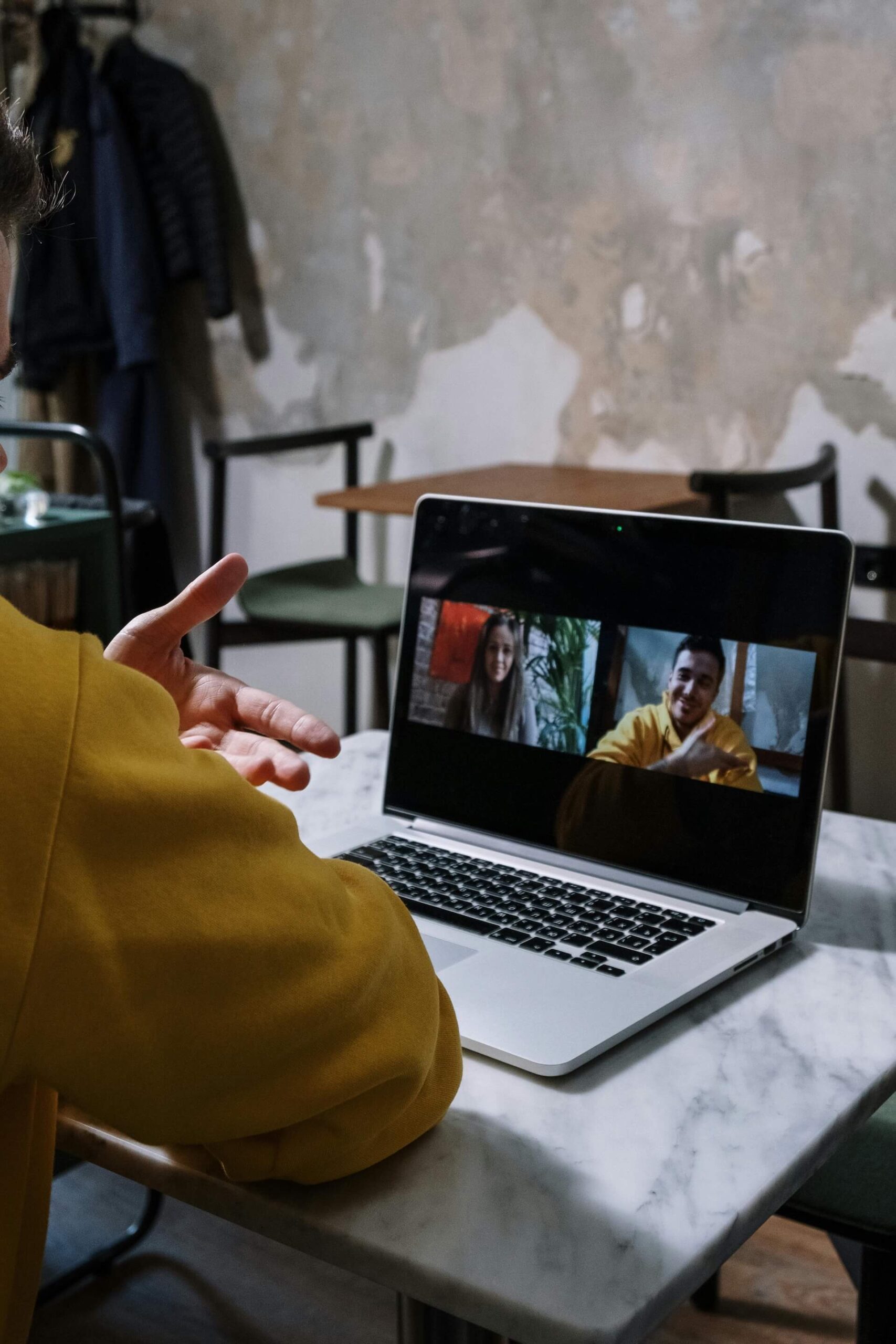
An online therapy session usually feels similar to an in-person visit, only you log in through a secure video platform. Your therapist may ask what has been hardest lately, help you notice patterns, teach coping skills, or work with you on goals such as calmer mornings, better sleep, healthier boundaries, or fewer conflict cycles. Some therapists also use worksheets, journaling prompts, or simple between-session practices.Online therapy is more than “just talking on a screen.” Your therapist brings evidence-based approaches into a format that fits your life. Depending on your needs, this can include:
This process is collaborative, not judgmental — and the evidence base supports online delivery as a legitimate way to provide care.
[Source: Jonsson et al., PMID 36400149; Laurito et al., PMID 38273884]
Many adults who start therapy are not just dealing with current stress. They are carrying the effects of childhood trauma — emotional neglect, verbal abuse, sexual abuse, family conflict, or growing up without safety, stability, or emotional support. Years later, that history can show up as:
[Source: Laurito et al., PMID 38273884; Jonsson et al., PMID 36400149]
You may tell yourself, “This is just normal life stress.
But when symptoms or behavior patterns start to shape your choices, relationships, and health, it’s a sign you to seek additional support —
not a sign you’re failing.
Relationship strain does not always mean a relationship is failing. Often, it means two people are stuck in patterns that are hard to change without support. Childhood trauma can affect how someone handles conflict, closeness, trust, boundaries, jealousy, and fear of abandonment — which can make relationship issues feel confusing and deeply personal. Here are some signs coming that your relationship could use a tune-up:
Therapy can help with communication, emotional regulation, boundaries, and understanding the patterns behind repeated conflict. It can also support people who are dating, married, separated, co-parenting, or healing after a breakup. For many adults, therapy becomes a place to slow things down, name what keeps happening, and build healthier ways to connect.
[Source: Jonsson et al., PMID 36400149]

Anxiety and depression often twist the way you see yourself. Common internal messages can include:
These beliefs are incredibly convincing, especially in a performance-driven environment like Washington, DC. They can keep you stuck in overworking, perfectionism, people-pleasing, or isolation.
In online therapy, you and your therapist gently examine where these messages came from — family, culture, trauma, or past experiences — and begin to replace them with more accurate, compassionate truths about who you are. [Source: Laurito et al., PMID 38273884; Käll et al., Internet Interventions, 2024]
Idaho residents tend to be practical, hardworking, and community-minded, but they also deal with real pressure. Virtual counseling gives people a way to get support without stepping outside the routines that keep their lives running. Research indicates that internet-delivered treatment can be clinically useful — online therapy is not a second-choice option. It can be a very effective way to get help while keeping life moving.
Staying consistent through winter weather, busy seasons, and changing schedules
With a reliable internet connection, care comes to you–online.
Increased access to a
doctoral-level, specialized
mental health professional.
Reducing missed sessions due to weather, traffic, or travel.
You can let go of worries of being judged or having your reputation damaged.
Keeping you in comfort, from outfit, to couch, at home
Nationally, telehealth remains popular even as in-person services have returned, which suggests that people aren’t just using it out of necessity — they’re choosing it because it makes mental health care more sustainable. That sustainability often determines whether you can stick with therapy long enough to see real changes.
It’s normal to feel a lot of things before your first session: relieved, anxious, skeptical, hopeful. You might wonder:
“Will this therapist really get me and my world?”
“What if I don’t know what to say?”
“What if nothing changes?”
Your therapist expects these questions and makes room for them. Early sessions often focus on:
These are signs you are making progress, even if you still notice symptoms.
Type your paragraph here
Type your paragraph here
Type your paragraph here
Type your paragraph here
Type your paragraph here
If you are live or work in Idaho and are tired of feeling overwhelmed, empty, or “not like yourself,” you are not alone — and you are not beyond help. Online therapy can provide you with accessibility, flexibility, and effective care to start you on the path to progress.
Reaching out for therapy is not a declaration that you’re broken; it’s asking for help. It’s a decision to stop carrying everything alone. When you’re ready, online therapy can meet you where you are — on your laptop or phone, in your home or office — and help you build a life that feels more grounded, connected, and truly your own.