

Trauma leaves a lasting imprint on mental and emotional health, often disrupting daily life and relationships. While therapy and medication are key aspects of recovery, incorporating environmental factors can enhance the healing process. Green spaces—parks, gardens, and other natural environments—offer a soothing backdrop for recovery. Studies show that nature exposure can lower stress, improve mood, and reduce symptoms of anxiety and depression. These benefits are particularly valuable for those processing trauma, where calming surroundings can help manage overwhelming emotions. Green spaces also create opportunities for mindfulness and reflection, which can aid in breaking the cycle of intrusive thoughts. By understanding their value, individuals can add these environments to their toolbox for healing from trauma and rebuilding a sense of stability in their lives.
Understanding Trauma and Its Effects
Trauma is an emotional response to deeply distressing events that disrupt a person’s sense of safety and stability. It often triggers symptoms like anxiety, depression, irritability, and difficulty trusting others. These effects can last for weeks, months, or even years, making recovery a long and complex process. Trauma often changes how individuals view themselves, others, and the world. As a result, they may feel disconnected, or experience heightened stress in everyday situations. While traditional treatments like therapy and medication are highly effective, holistic approaches can enhance their impact.
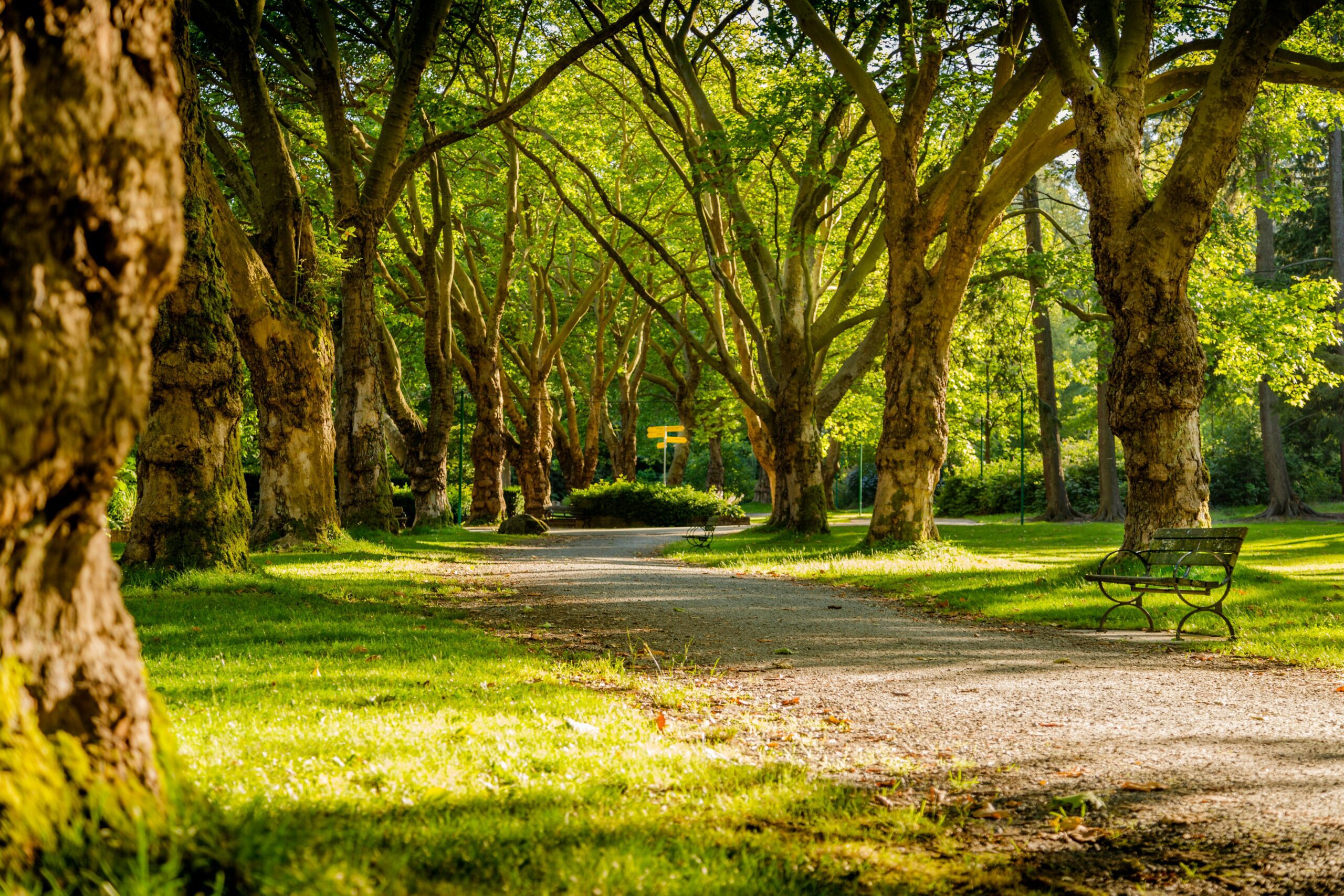
Green spaces have emerged as valuable tools in addressing trauma. These natural environments offer a peaceful escape from overwhelming emotions, helping individuals relax and focus on their recovery. The calming atmosphere of green spaces provides a counterbalance to the emotional chaos caused by trauma, offering survivors a chance to reconnect with themselves in a supportive way.

Green Spaces and Their Therapeutic Benefits
Green spaces are not just beautiful; they are powerful tools for mental health. Research consistently shows that spending time in nature reduces stress and enhances mood. Natural environments promote relaxation by lowering cortisol levels, the body’s stress hormone. These spaces also offer sensory benefits, like fresh air, sunlight, and soothing natural sounds, which help regulate emotions. For those recovering from trauma, green spaces can create a safe and quiet environment to process feelings. Studies have found that access to green spaces improves attention, reduces symptoms of depression, and helps regulate negative emotions. The therapeutic effects of nature also extend to physical health. Spending time outdoors encourages light exercise, which releases endorphins that further improve mood. Whether walking in a park, sitting by a river, or gardening at home, green spaces provide multiple ways to support mental well-being and recovery from trauma.
How Green Spaces Aid in Healing from Trauma
Reduction of Stress Hormones
Trauma often keeps individuals in a heightened state of alertness, releasing high levels of cortisol and adrenaline. Over time, this constant stress takes a toll on the body and mind. Spending time in green spaces has been shown to counteract these effects by reducing stress hormone levels. This allows the body to relax, promoting recovery and emotional balance.
Promotion of Mindfulness
Nature encourages mindfulness, helping individuals focus on the present rather than reliving past trauma. Activities like observing trees, listening to birds, or walking along trails anchor individuals to the moment. This mindful connection to the present reduces the grip of traumatic memories and helps survivors rebuild emotional resilience.

Physical Activity Opportunities
Trauma recovery often benefits from movement, as exercise releases endorphins and improves overall well-being. Green spaces provide opportunities for walking, jogging, or even yoga, blending physical activity with the calming effects of nature.
Strengthened Social Connections
Community parks and gardens bring people together, reducing isolation. Interacting with others in these settings helps trauma survivors rebuild their social support networks. Green spaces offer a low-pressure environment to reconnect with people, easing feelings of loneliness.
Incorporating Green Spaces While Traveling
Maintaining access to green spaces can significantly enhance the healing process when you’re away from home. Whether visiting a new city or a remote countryside, exploring natural environments helps reduce stress and maintain emotional balance. Even short walks in local parks or gardens can provide a sense of calm and stability.
For those who are traveling during recovery, green spaces offer a grounding experience in unfamiliar surroundings. They encourage mindfulness and help process emotions that may arise while navigating recovery challenges. Many destinations now prioritize eco-tourism, providing ample opportunities to connect with nature even on the go. From urban botanical gardens to serene hiking trails, these spaces can act as a sanctuary for your mental well-being. By actively seeking out green spaces during your travels, you can support your recovery journey while experiencing the restorative power of nature.
Trauma Recovery Programs Using Green Spaces
Recovery programs that use green spaces are gaining recognition for their positive effects on trauma survivors. Eco-therapy, which involves guided activities in natural settings, combines the benefits of therapy with nature. Another popular approach is “forest bathing,” a Japanese practice that immerses individuals in wooded areas to calm the mind and body. These programs focus on helping individuals reconnect with nature while addressing emotional and psychological challenges. Several organizations have incorporated green spaces into their trauma recovery models. For instance, programs for veterans recovering from PTSD often use outdoor activities like hiking and gardening to support emotional healing. Survivors of abuse or loss have also reported improvements through structured nature-based therapies. These programs demonstrate that green spaces are calming environments and effective components of comprehensive recovery plans. The success of these initiatives highlights the potential of green spaces to transform trauma recovery processes.
Practical Tips for Using Green Spaces for Recovery
Using green spaces to aid recovery does not have to be complicated or expensive. Begin with small, manageable steps like taking a 10-minute walk in a nearby park. Even brief exposure to nature can help reduce stress and improve your mood. If you don’t have easy access to green spaces, consider growing plants indoors or creating a small garden on a balcony. Houseplants bring the calming effects of nature into your living space, offering a simple way to experience greenery. Engage in nature-based activities such as birdwatching, gardening, or practicing yoga outdoors. These activities combine the benefits of mindfulness and movement, which support trauma recovery. Those who prefer structured approaches should look into local eco-therapy programs or guided forest walks. Incorporating these practices into your routine can help create a sense of calm and provide a valuable resource for healing from trauma.
In Conclusion
Green spaces are invaluable in healing from trauma. They provide a natural and accessible way to support emotional recovery, help with anxiety and stress, and promote mindfulness. Whether through physical activity, sensory experiences, or social interactions, these spaces offer survivors unique tools for rebuilding their well-being. By integrating green spaces into your recovery journey, you can complement traditional treatments and find balance in a natural setting. Start with small actions, like visiting a park or growing plants at home, and gradually increase your time in nature. While the road to recovery is often challenging, green spaces provide a steady, nurturing environment to support healing. Embracing the therapeutic benefits of nature can help trauma survivors reconnect with themselves and the world, opening the door to renewed hope and emotional strength. Spend more time in green spaces to discover their power to transform your recovery. If that doesn’t help, then contact me, and let’s talk about what is going on.