
Trauma comes in many forms, ranging from car accidents to childhood abuse, witnessing or being a victim of a crime, surviving a natural disaster, domestic abuse, or the loss of a loved one. Each of these experiences can have profound effects on an individual’s mental and emotional well-being, and one of the key areas where these effects manifest is in the brain.
The human brain is a complex organ, responsible for regulating emotions, processing memories, and controlling behaviors. When exposed to trauma, the brain’s response can be both immediate and long-lasting, reshaping its structure and function in significant ways.
Trauma emotional dysregulation
In moments of trauma, the brain activates its stress response system, commonly known as the fight-or-flight response. This evolutionary mechanism prepares the body to either confront the threat or flee from it. During this process, the brain releases hormones such as adrenaline and cortisol, which heighten alertness and increase heart rate and blood pressure.
However, when trauma is severe or prolonged, this stress response can become dysregulated, leading to chronic activation of the body’s stress systems. Over time, this can have damaging effects on the brain, particularly in regions associated with emotional regulation and memory processing.
Impact on Brain Structure

One common finding is a reduction in the size of the hippocampus, a region critical for memory consolidation and emotional regulation.
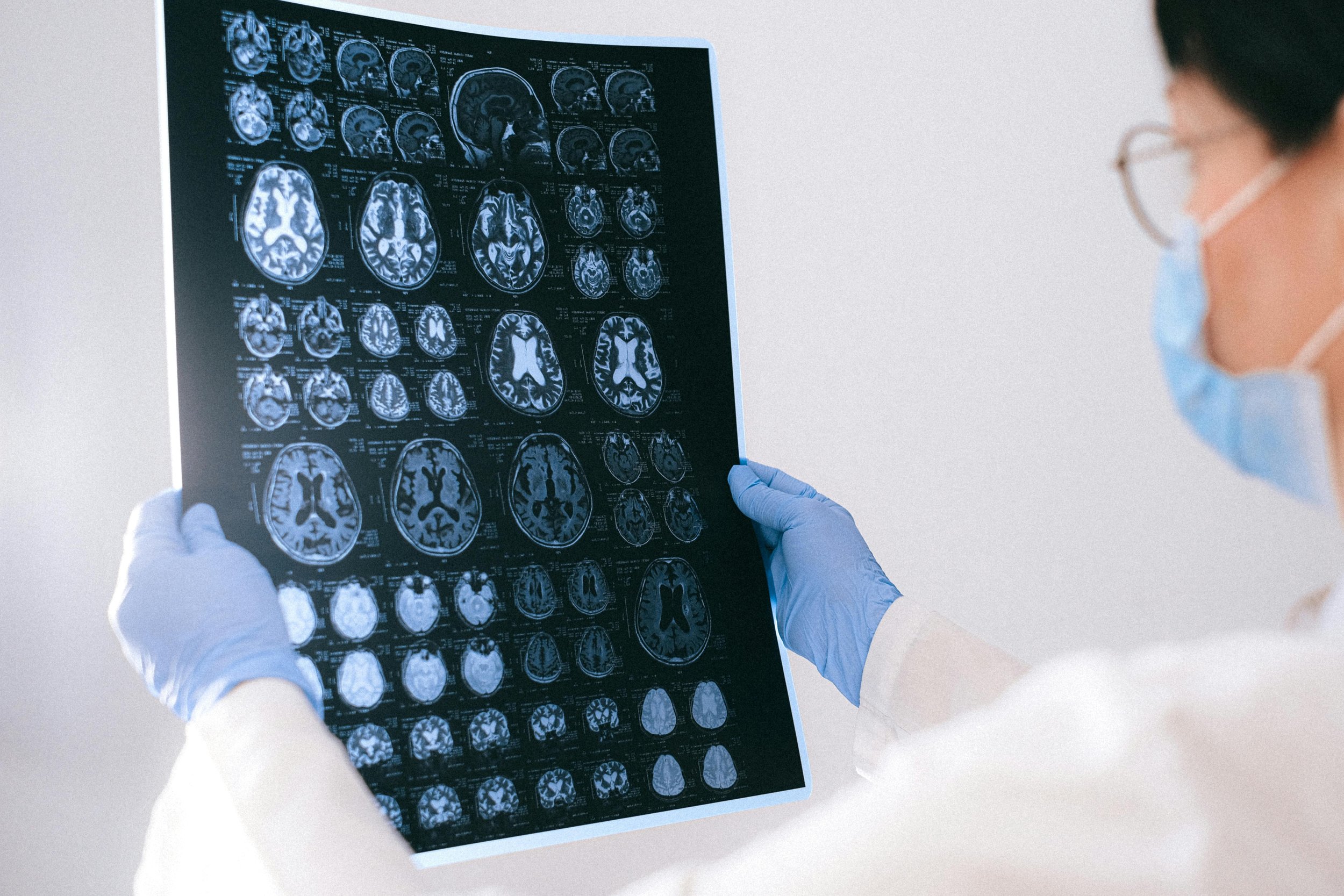
Studies using neuroimaging techniques such as magnetic resonance imaging (MRI) have revealed structural changes in the brains of individuals who have experienced trauma. One common finding is a reduction in the size of the hippocampus, a region critical for memory consolidation and emotional regulation. This shrinkage has been linked to difficulties in forming new memories and regulating emotions, both of which are common symptoms of post-traumatic stress disorder (PTSD).
Additionally, trauma can affect the amygdala, a brain structure involved in processing emotions, particularly fear and anxiety. Research has shown that trauma survivors often have an overactive amygdala, leading to heightened emotional responses and hypervigilance to potential threats.
Changes in neurochemical balances
Trauma can also disrupt the brain’s neurochemical balance, affecting the transmission of signals between neurons. Chronic stress and trauma exposure can lead to changes in the levels of neurotransmitters such as serotonin, dopamine, and norepinephrine, which play crucial roles in mood regulation and stress response. For example, decreased levels of serotonin have been associated with depression and anxiety disorders, both of which are commonly observed in individuals who have experienced trauma. Similarly, alterations in the dopamine system can contribute to symptoms such as numbness, anhedonia (loss of pleasure), and difficulty experiencing positive emotions.
Functional Changes in Brain Networks
Beyond structural and neurochemical alterations, trauma can also disrupt the functional connectivity of brain networks. Functional magnetic resonance imaging (fMRI) studies have shown that trauma survivors exhibit differences in the activity and connectivity of brain regions involved in emotional processing, such as the prefrontal cortex and the limbic system.
These changes can result in difficulties in regulating emotions, responding to stressors, and modulating fear responses. Moreover, trauma can impair the ability to engage in higher-order cognitive functions, such as decision-making, problem-solving, and impulse control, further impacting an individual’s daily functioning and quality of life. If you find that these things are affecting you, consider reaching out to start online trauma therapy.
Online trauma therapy
The impact of trauma on the human brain is profound and multifaceted, affecting its structure, neurochemistry, and functional connectivity. By understanding these neurological changes, we can better appreciate the complexities of trauma-related disorders and develop more effective interventions and treatments.
It’s important to recognize that the effects of trauma are not immutable. With proper support, online trauma therapy, and resilience-building strategies, individuals can begin to heal and recover from their traumatic experiences. Click below to start your journey of resolving your trauma symptoms today.
Reach out and let’s get you to feeling better
In the next blog post, we will explore what trauma is and its different types.