

What is Contamination OCD?
Contamination and safety‑related OCD centers on intense fears of germs, illness, chemicals, or other contaminants, along with compulsive cleaning, washing, or avoidance rituals aimed at preventing harm. These fears may focus on personal health, the safety of loved ones, or broader threats such as environmental toxins.
Common symptoms
People with contamination OCD often experience intrusive thoughts or images about contracting or spreading serious illness, touching “dirty” objects, or bringing invisible contaminants into the home. Common compulsions include excessive handwashing or showering, cleaning surfaces repeatedly, using large amounts of disinfectant, and avoiding places or objects perceived as dirty.
Other signs include frequently changing clothes, refusing to touch shared items such as doorknobs, withdrawing from social interactions to avoid germs, or repeatedly sterilizing objects that are already clean. Some individuals fear “mental contamination,” such as feeling unclean after seeing upsetting images or hearing certain words, and may perform rituals to feel pure again.
- Checking cleanliness: Repeatedly verifying that surfaces are clean or hands are washed
- Security checking: Verifying locks, windows, or alarm systems multiple times before leaving or sleeping
- Appliance checking: Repeatedly ensuring stoves, irons, or other appliances are off
How symptoms create problems
While reasonable hygiene is healthy, contamination OCD takes these behaviors to painful extremes. Washing or cleaning rituals can consume hours each day and lead to skin irritation, rashes, or even bleeding. Avoidance of public places, bathrooms, transportation, or work settings can interfere with employment, schooling, and relationships.
Family members are often drawn into rituals by being asked to clean in specific ways, change clothes, follow elaborate entry routines, or provide reassurance that things are safe. This can create conflict, exhaustion, and financial stress. As life shrinks around efforts to prevent contamination, people may feel trapped, ashamed, or hopeless about ever living more freely.
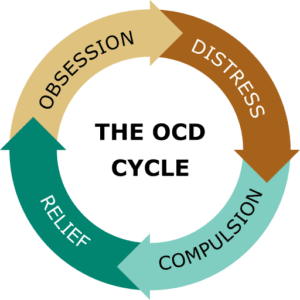
How do deal with contamination OCD
Common strategies that do not work
Several patterns unintentionally maintain contamination OCD:
- Excessive washing, cleaning, or sanitizing beyond public health recommendations
- Avoiding reasonable activities such as work, social gatherings, or travel
- Asking others for repeated reassurance that surfaces, food, or environments are safe
- Seeking certainty from the internet about every possible contaminant or disease
Although these actions provide brief relief, they send the message that the feared contaminants are intolerably dangerous and that rituals are necessary to stay safe. This keeps anxiety high and makes stopping rituals feel even riskier.
Strategies that do help
Research strongly supports ERP as a frontline treatment for contamination OCD. In ERP, individuals gradually face feared contaminants or situations—such as touching doorknobs, using public restrooms, or reducing cleaning frequency—while intentionally resisting the urge to wash, sanitize, or seek reassurance. Over time, anxiety naturally decreases and the brain learns that feared outcomes rarely occur, or are less catastrophic than imagined.
CBT also addresses perfectionism, responsibility beliefs (“If anyone gets sick, it’s my fault”), and intolerance of uncertainty that often drive contamination fears. Many people benefit from setting clear, realistic hygiene guidelines with a therapist or physician, then practicing sticking to those guidelines rather than OCD‑driven rules. Medication such as SSRIs can further reduce symptom intensity and support engagement in exposure work.
ERP Treatment for OCD Near Me
When to seek help
Consider specialized help when:
- Washing, cleaning, or safety rituals take up more than an hour a day
- Skin damage, fatigue, or conflict with others arises from contamination rituals
- You avoid important places or activities due to fears of germs or toxins
- Attempts to cut back on rituals alone lead to overwhelming anxiety or feel impossible
An OCD‑trained therapist can design a stepwise exposure plan and help you practice responding differently to contamination cues. With appropriate treatment and support, many people regain the ability to engage in daily life with far less fear and ritual.