
How long to heal from divorce
It’s OK to ask a therapist or counselor how long it takes to heal from a divorce — we get it all the time. Contrary to what some thing think, it’s not an insensitive question because it’s not about placing a time cap on healing, it’s about understanding and appreciating how much effort goes into healing.
The honest answer, though? Nobody knows. Healing from divorce isn’t like recovering from a broken bone, where six weeks in a cast usually does the trick.
It’s more like learning to walk again, each step forward teaching you something new about yourself and your capacity for resilience.
Phases of Divorce
There is, however, a process to healing from the wounds of separation. The exact length of this process for anyone is impossible, even though some say it takes two years.
But knowing what it entails can help you better guess the recovery timeline for a man going through a divorce.
Also, the process depends on several factors, including:
- Your emotional investment in the relationship
- Whether infidelity was involved
- The overall health of the relationship dynamics
- The presence of children
- Your willingness to face and process emotion
- Your reminders about your ex
- Your shared activities with your ex
- Your exposure to your ex (i.e., in-person, social media, etc.)
The differences in these factors explain why there is no definitive answer. Again, the best answer you can get is an estimation.
For me, after years of guiding men through wanted and unwanted separations, these are my estimates.
The Shock Phase (Around 0–6 Months)
Even when anticipated, divorce’s finality hits hard. During these first months, men often operate on autopilot – going through emotions without really going through them. Feeling emotions but not processing them. Quite often, this is the period where many men do anything, from drugs, videogaming, sex, gambling, etc. to escape reality. Time at work usually increases, substance use or risk of use increases, as does depressive and/or anxiety symptoms. This period typically brings waves of disbelief, numbness, and unexpected emotions as the mind adapts to this major life change.
The Deep Impact (Around 6–18 Months)
As shock fades, the real emotional toll can begin or be exacerbated. You’ll likely experience profound grief over lost future plans and face the challenge of rebuilding your identity outside of marriage. You may experiment with dating. You’ll likely find that you’re not ready to do so, as you are regularly triggered in situations from your past relationship, talk about your ex too much, or frequently utilize blame. The first cycle of holidays and anniversaries will test your resilience, but each one you survive marks an important milestone in your healing journey.
The Transformation (18 months and Beyond)
After the first year, many men gain distance and perspective. Symptom tapering may start or continue at this time. Being retriggered by reminders or exposures to your ex may also occur. Many men during this time may question, “I’ve been divorced for X number of years. Why can’t I get over this person?” Several factors may be affecting you, including 1) how you were raised; 2) your emotional, intellectual, spiritual, and physical investment in the relationship; 3) duration of the relationship; 4) level of stress in your life; 5) how you handle your thoughts and emotions. This is the time where many men will reach out for therapy–they begin to realize that there is more to the situation than what they have coping strategies for. Other men may realize that the symptoms “aren’t going to just go away.” While this may happen, it can be rare. This is when the real transformation can begin – not just healing from the past but building something new. While time alone doesn’t heal deep scars, it provides the space needed for genuine recovery. The key lies in how you use this time: avoiding emotions delays healing, while processing them – however scary – leads to genuine growth.
Signs A Man Is Healing From Divorce
You know you’re making progress when:
- Your ex’s name no longer triggers an emotional storm
- You can share your story without reliving the pain
- You remember both the good and bad of your marriage
- You can envision a fulfilling future independently
- Your happiness isn’t tied to past mistakes
Emdr therapy Utah
Now, at the end of this article, two things should be pretty clear:
- There’s no definitive timeline for a man’s recovery from divorce. Being a man has nothing to do with it. Factors like the quality of the relationship and the level of commitment involved play a much bigger role in deciding the length of recovery than gender.
- Healing eventually happens when the right coping mechanisms are adopted. Men don’t need to avoid processing feelings of guilt and shame from these separations. They need to go towards it instead.
IMPORTANT:
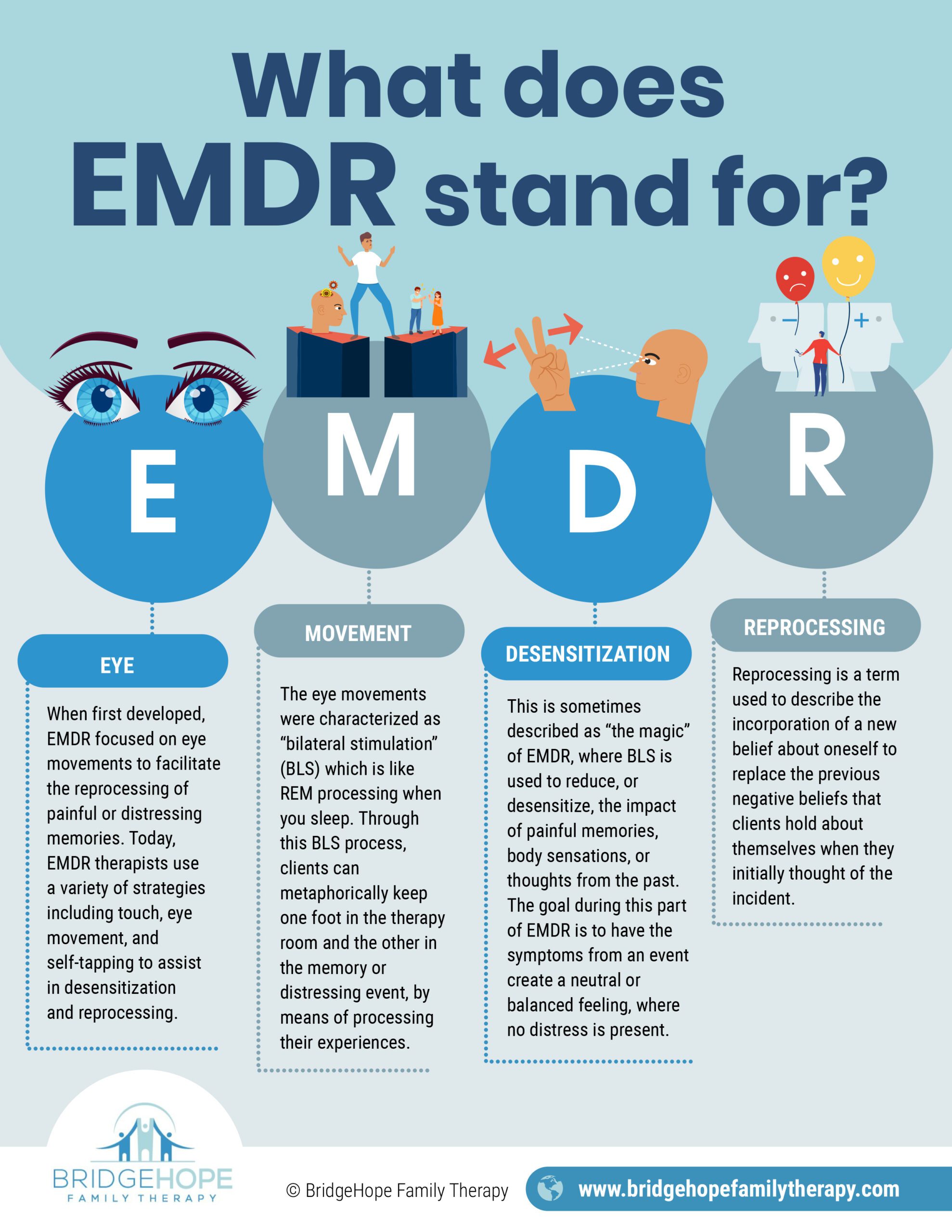
Seeing a mental health professional can be helpful during any stage of the divorce — before, during, after, or years after. Modern therapy techniques like EMDR Therapy help you process emotions in ways that are difficult to do on your own. Whether you choose to work with me or another person, therapy can make a significant impact in your journey through this often challenging transition.