
Anxiety in Women Austin TX
If you’re a woman with anxiety in Austin, this post is for you. Tell me what you think of the following two statistics:
Stat 1: According to Census Reporter, roughly 477,914 women live in Austin, Texas, making up 49% of the city’s population.
Stat 2: According to the FDA (U.S. Food and Drug Administration), women are more than twice as likely as men to develop anxiety disorder at least once in their lifetime.
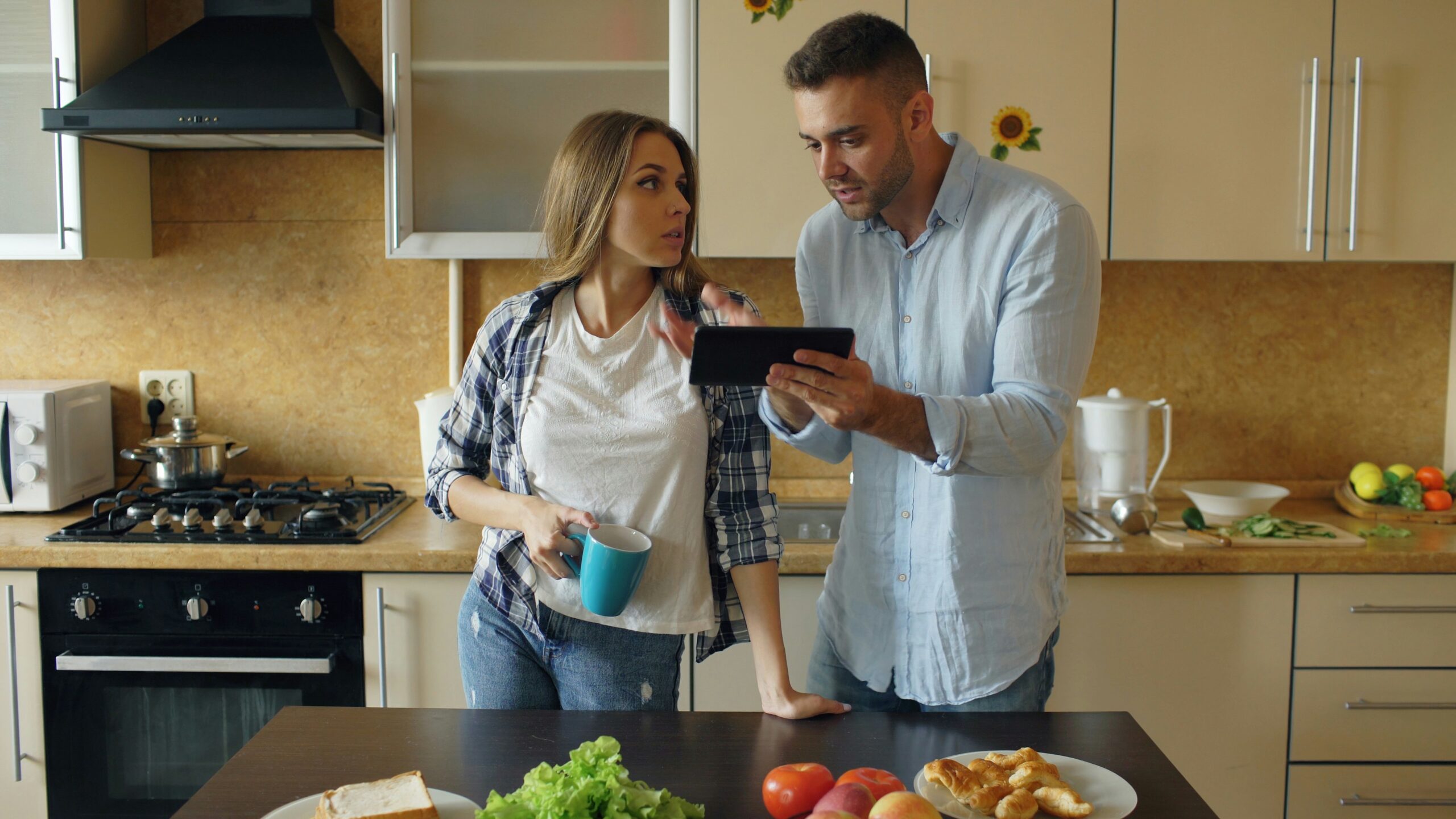
Without being a genius in mathematics, it’s easy to observe the trend there: A lot of women in this incredibly sunny city most likely struggle with the doom and gloom of anxiety disorders. This stark reality demands your attention and, more importantly, your action. Fortunately, for women—who are by far the more emotionally open gender—online therapy for women Austin is here to help.
In this piece, we’ll cover:
- What is anxiety, and when it becomes a problem
- Why do anxiety disorders affect women more than men
- Online therapy as an excellent treatment option
What is anxiety in women
People get worried regularly, but that’s not all anxiety is. For women, anxiety is not merely a matter of heightened worry; it’s a complex interplay of biological, social, and cultural factors.
It is an intense feeling of worry and nervousness about a situation (keyword here being ‘intense.’)
On a surface level, worrying keeps us alive and alert. It reminds us that we have a job to do, a child to care for, or an exam to ace. This kind of anxiety is supposed to help us cope with the pace of regular life. Like many things, anxiety is a spectrum. Anxiety may show up for you where worry becomes so intrusive that it affects your ability to function normally. Or, you may be able to block out your anxiety and accomplish your goals, all the while, wondering when people will find out.
If you find yourself worrying intensely without any specific reason or cause, you may have an anxiety disorder. How would you know? The first step is to ask yourself whether your anxiety is creating an impact on important areas in your life — work, family, social, coping strategies? Are you choosing things that you wouldn’t typically do to cope with your anxiety? Are you calling out work or being more avoidant of social outings? Are friends or colleagues starting to comment on your actions? It may be time to seek help. Read on to learn about how anxiety feels.
How anxiety feels like
Anxiety feels different for everyone, but if we’re searching for the most common examples among women, these descriptions fit the bill:
- Constantly fretting about a child’s safety, even when they are safe at home.
- Avoiding social gatherings due to fear of judgment or embarrassment.
- Experiencing sudden, intense fear while shopping, with symptoms like rapid heart rate, sweating, and difficulty breathing.
- Excessive sweating during a job interview, even in a cool room.
Why do anxiety disorders affect more women than men
Biological, psychological, and social factors all contribute to the anxiety disorder gap between men and women.
On a biological level, women experience different hormonal changes throughout their lives during puberty, before and after pregnancy, and menopause. These hormonal changes can affect how you respond to stressful situations, causing you to be more at risk of anxiety.
When it comes to psychology, women are known to ruminate when dealing with a challenge. Since ruminating entails obsessing over a problem before taking active steps to solve it, your susceptibility to anxiety increases.
The society doesn’t make it easier. Gender roles and societal expectations place an additional burden on women. Women are also more likely to experience trauma, such as sexual abuse, which opens the door for anxiety.
Virtual Therapy Austin TX can help
Online therapy (also known as e‑therapy or teletherapy) is therapy done over the Internet, and it’s already reshaping mental health care for women.
For a city with great technological capabilities, Austin, Texas, is an ideal place for online therapy to thrive and reach women struggling in silence.
Online therapy leverages basic technology to provide accessible, flexible, and effective mental health support. A PC or a smartphone is all you need to access the services of a licensed and experienced therapist.
What type of therapy goes on online
For anxiety treatment, cognitive-behavioral therapy (CBT) remains the gold standard, and its principles translate remarkably well to digital platforms.
Through structured online sessions, women can learn to identify and challenge anxious thoughts, develop coping strategies, and gradually face their fears.
Online therapists also teach practical coping strategies to manage symptoms of anxiety. Think relaxation techniques, mindfulness practices, and stress management strategies.
For the tech skeptics:
Online therapy is every bit as effective as face-to-face therapy. The same problem-solving, resilience-building guidance that in-person therapy offers is the exact one teletherapy gives.
Tens of studies prove this, including this one. In it, researchers found that computer-based therapy helped with anxiety disorders, including generalized anxiety disorder (GAD), social anxiety disorder, and panic disorder.
Pros and cons of online therapy
The best features of online therapy include:
- Accessibility: No matter where you are, however remote, connecting with a therapist online is possible.
- Convenience: You can still access your therapist’s guidance and support from the comfort of your home or anywhere else. This option is also suitable for women with mobility issues or busy schedules.
- Affordability: Online therapy is typically more affordable, depending on your healthcare provider.
As for cons, online therapy doesn’t have a lot. Internet connectivity problems can disrupt sessions, but they rarely happen.
The more significant issue with online therapy, though, is that some women may feel that the virtual format isn’t personal enough. That’s understandable. In-person sessions just work better for some women.
More severe cases of anxiety require a combination of in-person therapy and medication.
Talk therapy Austin
The “Live Music Capital of the World” is growing, and so must our approach to women’s mental health care.
Online therapy for women experiencing anxiety represents a convergence of technology, psychology, and compassion. It’s a powerful tool — and we should embrace it as such.
Together, we can—through online therapy—remake the stats and get closer to an anxiety-free world for women and everyone else.
You’ve learned a lot about anxiety and online therapy in this blog. If it sounds like something you think might be good for you, contact me here to schedule a free consultation.
We can create teletherapy tailored to your schedule. Learn strategies to manage your anxiety and regain your confidence. Debunk the root of the issue.